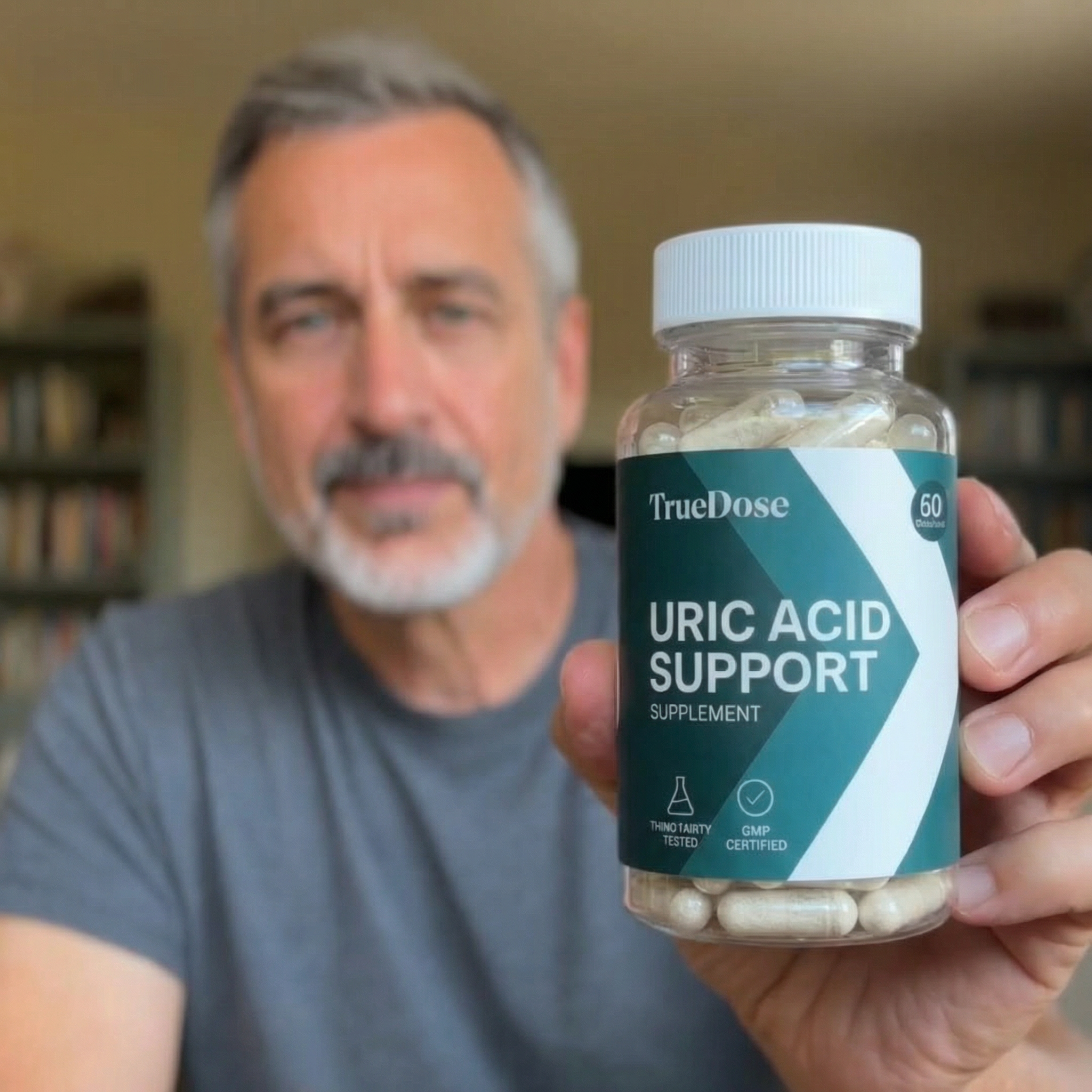


5 Things I Wish I'd Known Before Wasting $200 on Uric Acid Supplements
We checked the labels, read the studies, and found out why none of them worked.

1
It only targets one of three pathways
Uric acid is a three-part issue:
Your body produces too much through an enzyme called xanthine oxidase.
This then creates crystals, which trigger inflammation in your joints, and your kidneys cannot eliminate it fast enough.
Most supplements only tackle one part, usually inflammation. Tart cherry helps with swelling but ignores the overproduction and kidney issues.
It’s like mopping a flooded floor while the faucet runs and the drain is blocked, so it keeps flooding.
If a formula doesn't hit all three, it's not a solution. It's a Band-Aid.
Your body produces too much through an enzyme called xanthine oxidase.
This then creates crystals, which trigger inflammation in your joints, and your kidneys cannot eliminate it fast enough.
Most supplements only tackle one part, usually inflammation. Tart cherry helps with swelling but ignores the overproduction and kidney issues.
It’s like mopping a flooded floor while the faucet runs and the drain is blocked, so it keeps flooding.
If a formula doesn't hit all three, it's not a solution. It's a Band-Aid.

2
It's full of ingredients that have never been tested in humans
Celery seed shows up in almost all of the gout supplements on Amazon. It sounds legit.
But here's the thing: celery seed has zero human clinical trials for uric acid. None. The only "proof" comes from test tubes and rats.
And celery seed isn't the only one. Several popular gout ingredients have the same problem.
They're on the label because they're cheap — not because they've been proven to work in your body.
You've been paying for guesses. Not science.
But here's the thing: celery seed has zero human clinical trials for uric acid. None. The only "proof" comes from test tubes and rats.
And celery seed isn't the only one. Several popular gout ingredients have the same problem.
They're on the label because they're cheap — not because they've been proven to work in your body.
You've been paying for guesses. Not science.
3
More ingredients actually means worse doses
This one fools almost everybody.
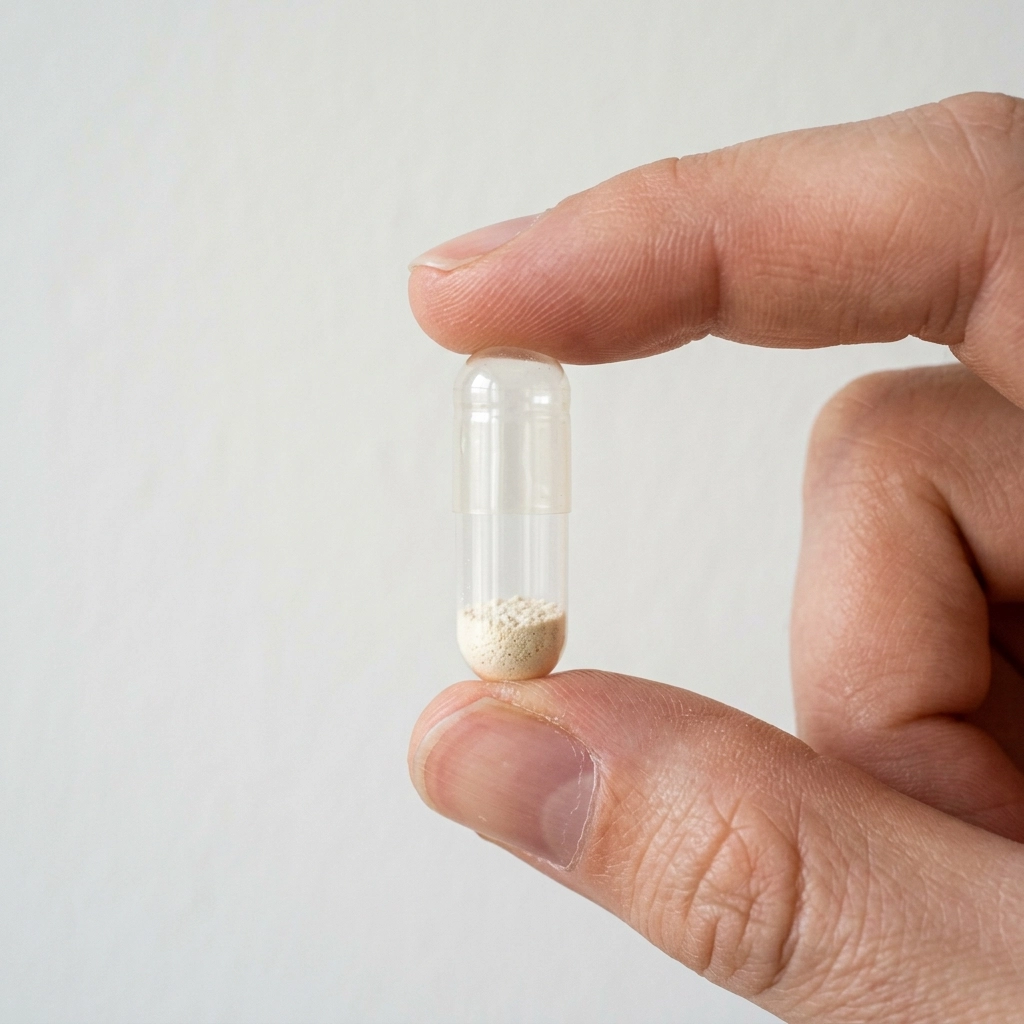
A label with 10 ingredients looks like you're getting more. But a capsule can only hold so much — about 1,000mg total.
Split that across 10 ingredients and you get about 100mg of each.
The actual clinical studies on tart cherry used 450mg. On Ayuric, 500mg.
At 100mg, you're getting a fifth of what the research says you need.
The industry has a name for this: "fairy dusting." Just enough of each ingredient to put it on the label.
Not enough to actually do anything.
And they hide it behind "proprietary blend" labels — which means they list the ingredients but don't tell you how much of each is inside. So you can't do the math yourself.
That's the point. They don't want you to.
A label with 10 ingredients looks like you're getting more. But a capsule can only hold so much — about 1,000mg total.
Split that across 10 ingredients and you get about 100mg of each.
The actual clinical studies on tart cherry used 450mg. On Ayuric, 500mg.
At 100mg, you're getting a fifth of what the research says you need.
The industry has a name for this: "fairy dusting." Just enough of each ingredient to put it on the label.
Not enough to actually do anything.
And they hide it behind "proprietary blend" labels — which means they list the ingredients but don't tell you how much of each is inside. So you can't do the math yourself.
That's the point. They don't want you to.
Men who switched aren't going back.
Hear it from guys who've tried everything else first
4
It uses the cheapest form of the ingredient
Your label says "quercetin." But there's more than one kind.
Regular quercetin barely absorbs. Most of it goes right through you.
Your body never uses it.
There's a patented form called Quercetin Phytosome that absorbs up to 20x better. Same name on the label. Totally different result in your body.
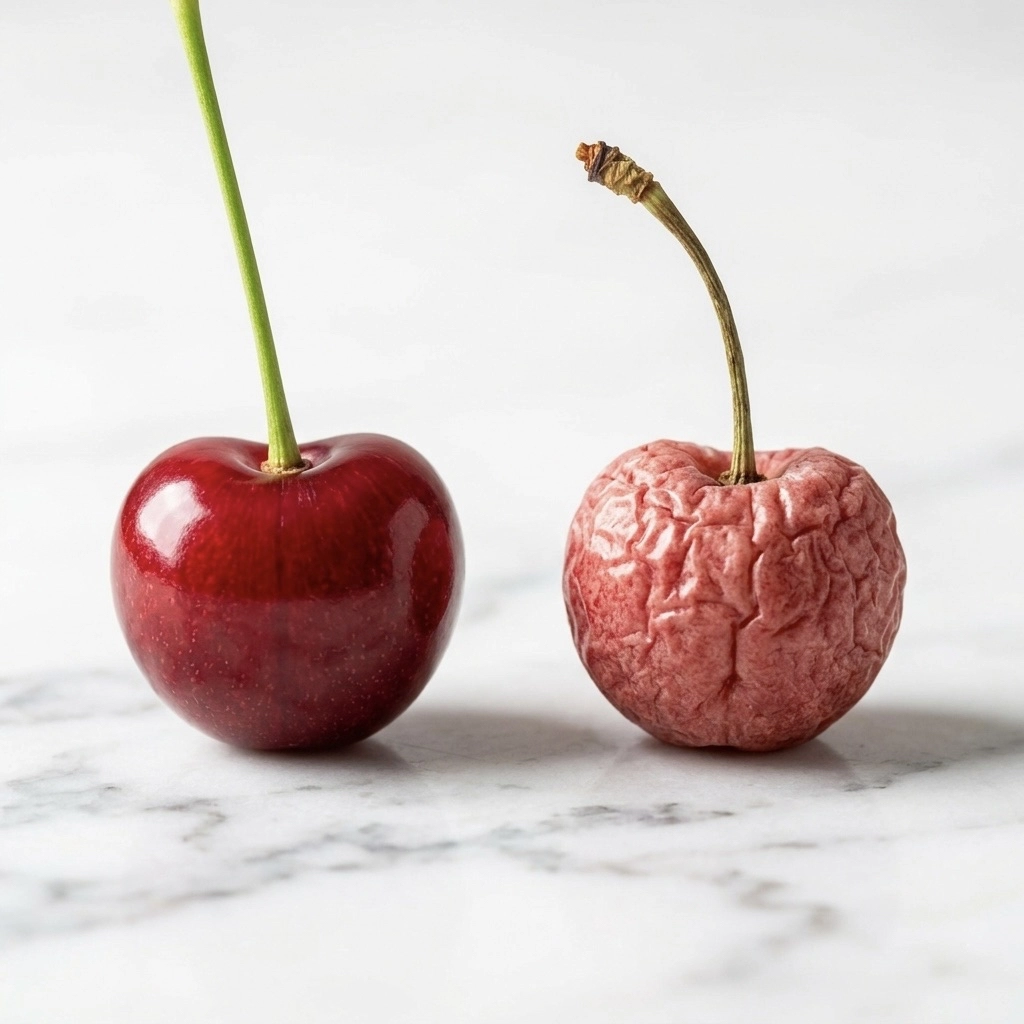
Tart cherry is the same story. Most supplements use 50mg of generic cherry powder. The studies that actually showed results? They used 450mg of concentrated extract. That's 9x more. But the label says "tart cherry" either way.
Brands use the cheap versions because they cost less.
The label still says the right words. But your body knows the difference.
Regular quercetin barely absorbs. Most of it goes right through you.
Your body never uses it.
There's a patented form called Quercetin Phytosome that absorbs up to 20x better. Same name on the label. Totally different result in your body.
Tart cherry is the same story. Most supplements use 50mg of generic cherry powder. The studies that actually showed results? They used 450mg of concentrated extract. That's 9x more. But the label says "tart cherry" either way.
Brands use the cheap versions because they cost less.
The label still says the right words. But your body knows the difference.
5
Nobody's verified what's actually in the bottle
This one should bother you the most.
Supplements don't need approval before they're sold. No testing required. The FDA only shows up after something goes wrong.
So the only way to know what's really inside is independent lab testing. A third party opens the bottle, runs the tests, and publishes the results.
Most companies skip this step. Some have never done it at all.
Think about that. You're trusting a label that nobody verified.
Supplements don't need approval before they're sold. No testing required. The FDA only shows up after something goes wrong.
So the only way to know what's really inside is independent lab testing. A third party opens the bottle, runs the tests, and publishes the results.
Most companies skip this step. Some have never done it at all.
Think about that. You're trusting a label that nobody verified.
Same routine.
No more guessing.
No more guessing.
TrueDose gives you the clinical doses, the tested ingredients, and the transparency you've been looking for. 90-day money-back guarantee if your levels don't improve
3-in-1 formula targeting all 3 uric acid pathways
Every dose matched to published clinical research
Third-party lab results you can check yourself